
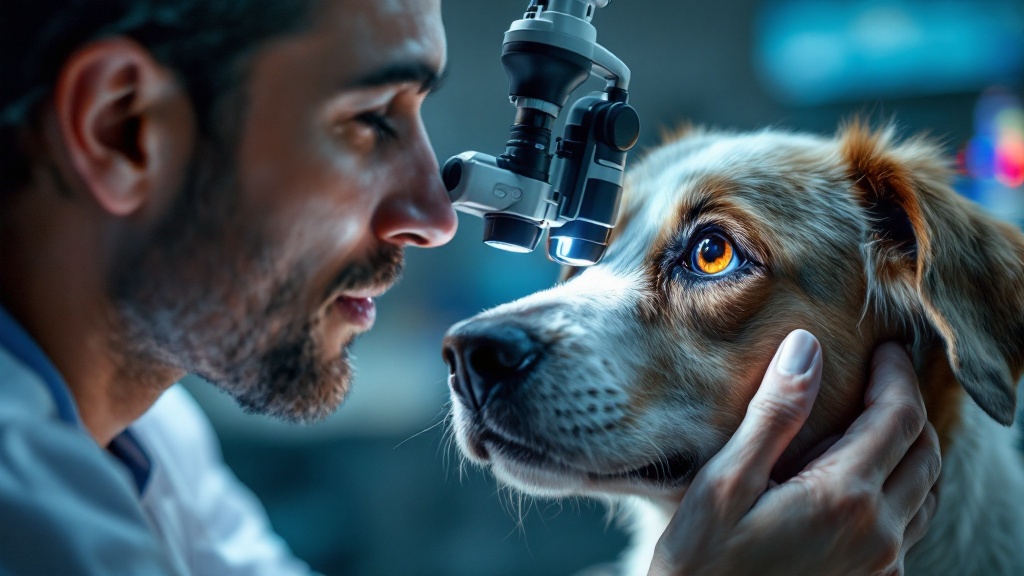
Eye disease in pets ranges from minor irritations to conditions that can cause permanent vision loss within hours. The eye is one of the most time-sensitive systems in veterinary medicine: glaucoma, uveitis, retinal detachment and deep corneal ulcers all require prompt intervention to preserve vision. At OC Pets we conduct thorough ocular examinations using a direct ophthalmoscope, Schirmer tear test and fluorescein staining, and perform procedures including cherry eye replacement surgery and eyelid corrections.
The Ophthalmic Examination
A complete ocular examination includes assessment of the periorbital area, eyelids, third eyelid, conjunctiva, cornea, anterior chamber, iris, lens and fundus. We measure tear production with the Schirmer tear test, fluorescein stain the cornea to identify ulcers and assess intraocular pressure where glaucoma is suspected.
This systematic approach identifies lesions that are not visible without magnification and cannot be detected in a routine general examination. Many serious eye conditions are discovered during wellness visits before owners have noticed any change at home.
Common Eye Conditions We Manage
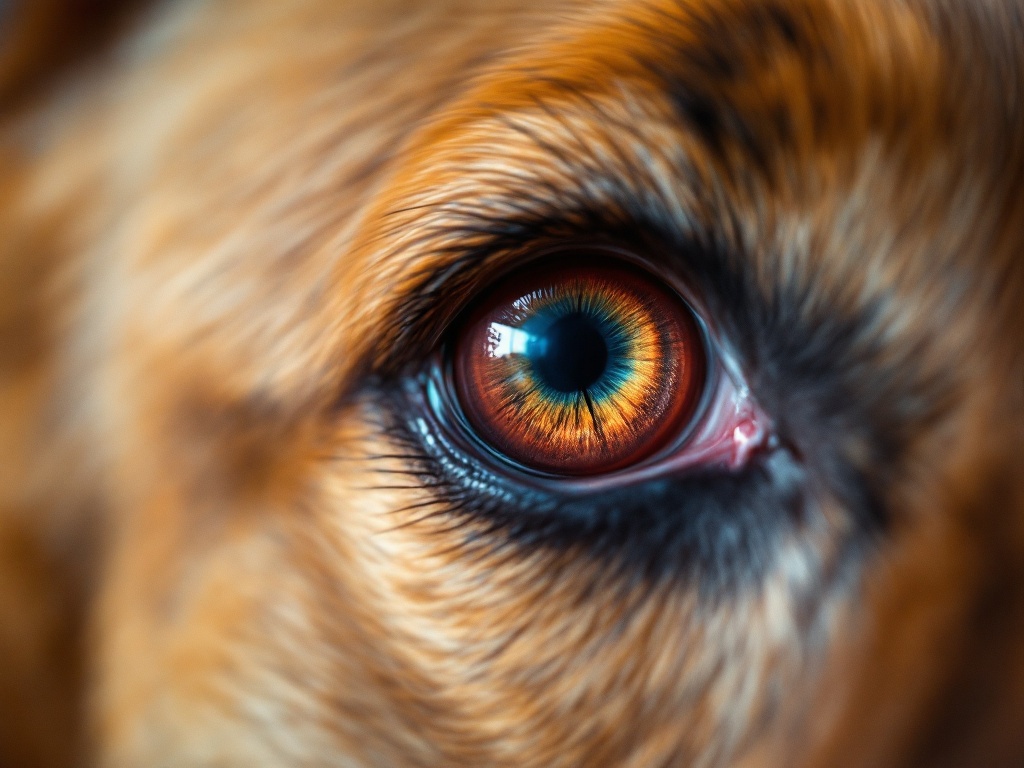
Cherry eye (prolapse of the third eyelid gland) is common in Bulldogs, Cocker Spaniels and certain other breeds and requires surgical replacement of the gland rather than simple removal, to preserve tear function. Dry eye (keratoconjunctivitis sicca) requires lifelong management with cyclosporine or tacrolimus drops to restore immune-mediated tear suppression.
Corneal ulcers range from superficial injuries treatable with antibiotic drops to deep melting ulcers requiring urgent surgical intervention. Entropion (inturned eyelids causing chronic corneal irritation) is corrected surgically and significantly improves comfort and long-term eye health.
Breed-Specific Conditions
Certain breeds carry significant ocular risks. Brachycephalic breeds including Bulldogs, French Bulldogs, Pugs and Shih Tzus have shallow orbits that predispose to corneal exposure, chronic dry eye and proptosis (acute eye displacement, which is an emergency). Cavalier King Charles Spaniels can develop pigmentary keratitis.
We screen proactively for breed-specific conditions at wellness visits and at first puppy consultations. Knowing what to look for in a specific breed means problems are caught earlier, when intervention is simpler and outcomes are better.
Cataracts and Hereditary Eye Disease
Cataracts (lens opacity) can be hereditary, diabetic or age-related. Advanced cataracts that impair vision require referral for phacoemulsification (cataract surgery) by a veterinary ophthalmologist. We assess cataract maturity and recommend timing for referral based on visual impact and rate of progression.
Progressive retinal atrophy (PRA), hereditary cataract and other breed-specific hereditary eye conditions are screened using genetic tests, which we can facilitate. Early genetic diagnosis informs both breeding decisions and owner preparation for disease progression.
Frequently Asked Questions
What is cherry eye and does it need surgery?
Cherry eye is a prolapse of the tear-producing gland of the third eyelid, appearing as a round red mass in the inner corner of the eye. It should be surgically replaced, not removed, as removing the gland eliminates a significant portion of tear production and causes dry eye. Early surgical correction gives the best outcome.
How do I know if my dog has dry eye?
Common signs include chronic eye discharge (especially mucoid or green), squinting, a dull or cloudy corneal appearance and chronic conjunctivitis. Dry eye is confirmed with the Schirmer tear test. It requires lifelong treatment but is very manageable with appropriate medication.
My dog's eye has become suddenly red and painful. Is this an emergency?
Yes, this should be assessed immediately. Acute red, painful eyes can indicate glaucoma (raised intraocular pressure), uveitis (internal inflammation) or corneal ulceration. Glaucoma in particular can cause permanent vision loss within 24 to 48 hours without treatment. Do not wait.
Do cats get eye disease?
Frequently. Chronic feline herpesvirus infection is the most common cause of eye disease in cats, causing conjunctivitis, corneal ulcers and corneal sequestrum (dark necrotic patches on the cornea). Older cats with kidney disease or hyperthyroidism can develop hypertension-related retinal detachment.
What breeds are most at risk for eye problems?
Brachycephalic breeds (Bulldogs, Pugs, French Bulldogs, Boxers) have the highest overall risk. Cocker Spaniels are predisposed to dry eye and cherry eye. Labrador Retrievers are prone to hereditary cataracts. Collies and Border Collies can have Collie Eye Anomaly and progressive retinal atrophy.
Ready to Book?
Our team is available 7 days a week, 10 AM to 10 PM. Book online or call us directly for same-day availability.